
Table of Contents
- Why a Natural Approach Makes Sense
- 1. Adopt a Prostate-Protective Diet
- 2. Exercise Regularly
- 3. Maintain a Healthy Weight
- 4. Manage Stress and Cortisol
- 5. Prioritize Sleep Quality
- 6. Reduce Alcohol and Caffeine
- 7. Consider Botanical Supplements
- 8. Stay Current with Screenings
- Frequently Asked Questions
Prostate health does not exist in a vacuum. It is shaped by the totality of how you live -- what you eat, how much you move, how well you sleep, and how effectively you manage the inevitable stresses of modern life. The good news is that there is a growing body of evidence supporting natural, lifestyle-based strategies for maintaining a healthy prostate well into your 60s, 70s, and beyond.
This article outlines eight of the most evidence-backed approaches, with practical steps you can start implementing today.
Why a Natural Approach Makes Sense
The prostate is an androgen-sensitive gland, meaning its growth and function are closely tied to hormonal signals -- particularly testosterone and its potent derivative, dihydrotestosterone (DHT). Inflammation, oxidative stress, and metabolic dysfunction all create conditions that can accelerate prostate enlargement and worsen urinary symptoms over time.
Natural approaches work by addressing the root environment rather than simply masking symptoms. They may reduce inflammation, support healthy hormone metabolism, protect prostate cells from oxidative damage, and promote overall metabolic health -- all factors that influence prostate function.
1. Adopt a Prostate-Protective Diet
A Mediterranean-style diet -- rich in vegetables, fruits, whole grains, legumes, healthy fats (especially olive oil), and fish -- is strongly associated with lower systemic inflammation and better prostate health outcomes in population studies. Specific foods worth prioritizing include:
- Cooked tomatoes and tomato products (lycopene source)
- Cruciferous vegetables: broccoli, Brussels sprouts, cauliflower (sulforaphane and indole-3-carbinol)
- Pumpkin seeds and Brazil nuts (zinc and selenium)
- Fatty fish two to three times per week (omega-3 anti-inflammatory fats)
- Berries and pomegranate (polyphenol antioxidants)
Reducing red and processed meat, refined carbohydrates, and fried foods is equally important. These foods promote insulin resistance and inflammation -- two drivers of prostate enlargement.
2. Exercise Regularly
Physical activity is one of the most powerful natural interventions for prostate health. Exercise reduces circulating insulin and inflammation, supports a healthy weight, and may directly influence prostate tissue by modulating IGF-1 (insulin-like growth factor-1) levels. Studies show that men who exercise regularly have significantly lower rates of urinary symptoms associated with BPH compared to sedentary men.
Aerobic exercise (walking, cycling, swimming) and resistance training (weightlifting, bodyweight exercises) both provide benefits. Aiming for 150 minutes of moderate aerobic activity per week, combined with two strength training sessions, is a reasonable and achievable target.
3. Maintain a Healthy Weight
Obesity, particularly abdominal obesity, is closely linked to BPH progression and worsening urinary symptoms. Adipose (fat) tissue produces estrogen, and elevated estrogen relative to testosterone -- a pattern that becomes more common as men age and gain weight -- is associated with prostate enlargement. Even modest weight loss of 5 to 10% of body weight can produce meaningful improvements in urinary symptoms.
4. Manage Stress and Cortisol
Chronic psychological stress elevates cortisol -- the body's primary stress hormone. Sustained high cortisol levels promote systemic inflammation and can disrupt hormonal balance in ways that affect the prostate. Many men with significant urinary symptoms also report that stressful periods make their symptoms noticeably worse.
Practical stress management strategies include daily mindfulness meditation (even 10 minutes is beneficial), regular nature walks, yoga, breathwork, social connection, and limiting excessive news consumption. These are not luxuries -- they are foundational to long-term prostate health.
5. Prioritize Sleep Quality
Deep, restorative sleep is when the body repairs cells, regulates hormones, and manages inflammation. Men who consistently sleep less than 6 hours per night have higher levels of inflammatory markers and are more likely to experience worsening urinary symptoms. Nocturia -- waking to urinate -- creates a cruel cycle where poor prostate health disrupts sleep, and disrupted sleep worsens overall health.
Improving sleep hygiene (consistent sleep schedule, dark and cool bedroom, no screens for 30 minutes before bed) and addressing nocturia through the strategies above can break this cycle.
6. Reduce Alcohol and Caffeine
Both alcohol and caffeine are bladder irritants and diuretics that can worsen urinary frequency and urgency. Alcohol also suppresses antidiuretic hormone, increasing urine production. Caffeine's effects on the bladder are felt for hours after consumption. Even modest reductions -- limiting coffee to mornings and avoiding alcohol several nights per week -- can produce noticeable improvements in urinary symptoms for many men.
7. Consider Botanical Supplements
Several plant-based compounds have a meaningful body of evidence supporting their use for prostate and urinary health:
- Saw Palmetto Berry Extract: Widely studied for supporting urinary flow and frequency by modulating DHT binding in prostate tissue.
- Pygeum Africanum: A traditional botanical with clinical evidence supporting its use for bladder comfort and urinary function.
- Beta-Sitosterol: A plant sterol with clinical trial evidence for improving urinary flow scores in men with BPH.
- Nettle Root: May inhibit certain growth-promoting proteins in the prostate, supporting healthy prostate size over time.
- Targeted Prostate Probiotics: An emerging area of research linking the gut microbiome to prostate health outcomes.
Protaflo integrates all of these botanical ingredients in a single daily formula, making comprehensive prostate support convenient and consistent.
8. Stay Current with Screenings
Natural strategies are most effective when combined with appropriate medical monitoring. Men over 50 -- or over 40 with a family history of prostate conditions -- should discuss annual PSA (prostate-specific antigen) testing and digital rectal exams with their healthcare provider. Early detection of any issue allows for the widest range of options.
Natural support strategies are not a substitute for medical care but can work powerfully alongside it to support the best possible prostate health over the long term.
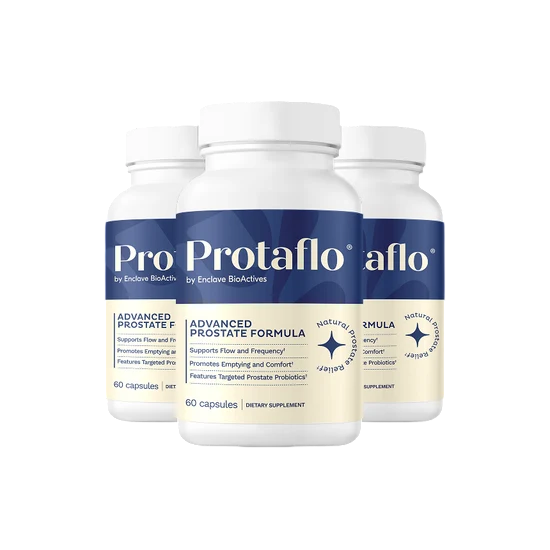
Support Your Natural Prostate Health Routine with Protaflo
Saw Palmetto, Pygeum, Beta-Sitosterol, Nettle Root, and a targeted probiotic blend -- comprehensive prostate support in two capsules daily.
Get Protaflo -- Limited Time Discount*Not evaluated by the FDA. Not intended to diagnose, treat, cure, or prevent any disease.
Frequently Asked Questions
Related Articles

Daily Habits for Prostate Wellness