Table of Contents
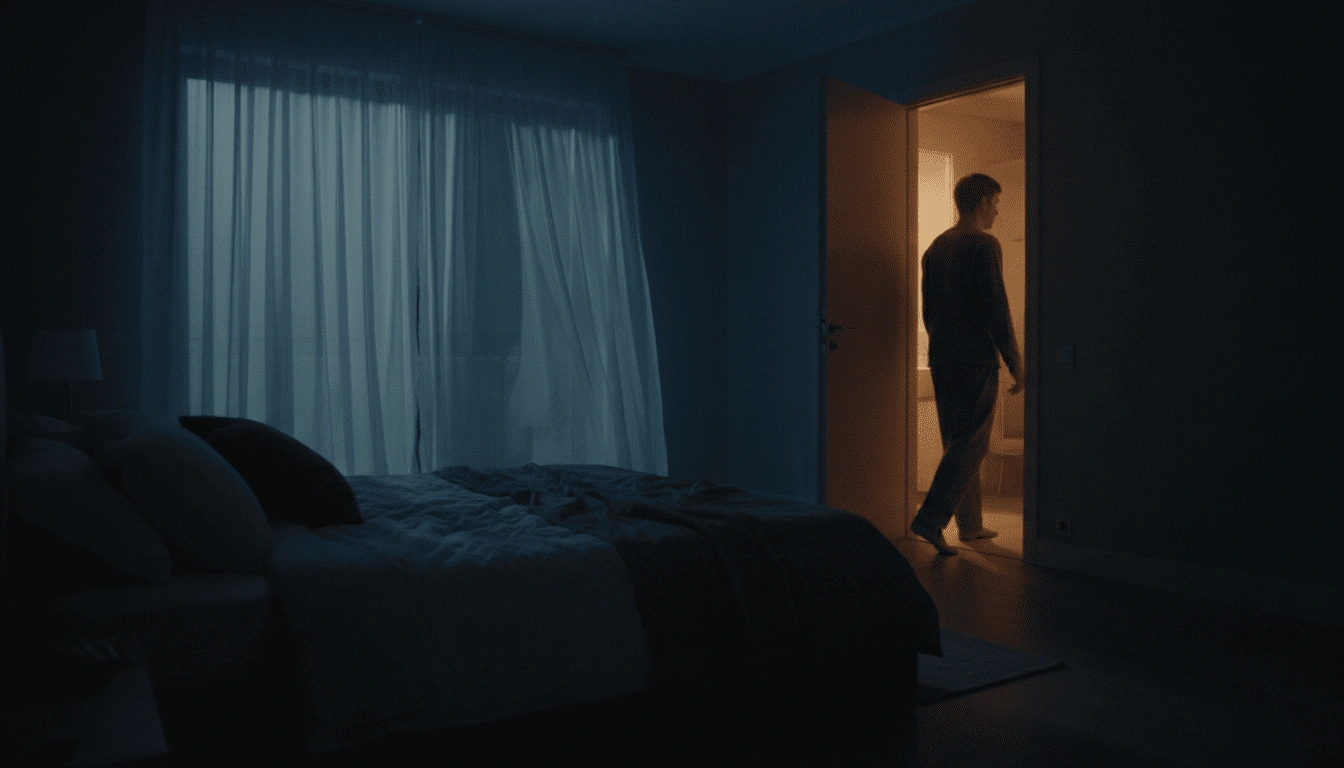
There is nothing quite as frustrating as finally drifting off to sleep, only to be dragged awake by a full bladder an hour later. For millions of men, this experience repeats itself two, three, or even four times a night. The cumulative toll -- fragmented sleep, daytime exhaustion, reduced productivity, and fraying tempers -- is profound.
Yet many men simply accept nocturia as an inevitable part of getting older. It is not. Understanding the underlying causes is the first step toward doing something meaningful about it.
What Is Nocturia?
Nocturia is defined as waking from sleep one or more times during the night specifically to urinate. A single nighttime trip is generally considered within the normal range for adults over 60, particularly if it does not significantly disturb sleep. Waking two or more times, however, is recognized as clinically meaningful nocturia that warrants evaluation.
Nocturia is distinct from insomnia-related awakening. The key difference: with nocturia, the urge to urinate is what wakes you, not the other way around. This distinction matters because the cause -- and therefore the solution -- is different.
Studies estimate that nocturia affects up to 70% of men over the age of 70, though many younger men experience it as well. The condition is significantly associated with reduced quality of life, increased risk of falls and injury during nighttime trips, and cumulative sleep deprivation.
The Prostate Connection
In men, by far the most common cause of nocturia after the age of 50 is benign prostatic hyperplasia (BPH) -- a noncancerous enlargement of the prostate gland. As the prostate grows, it compresses the urethra and triggers a cascade of changes in bladder function.
The bladder responds to the partial obstruction by developing a thicker, more irritable muscle layer. Over time, this overactive bladder detects smaller and smaller volumes of urine and sends urgent signals to void -- including at night when the body is producing less urine and should theoretically need fewer bathroom trips.
Targeted support for prostate health -- including botanical ingredients such as Saw Palmetto, Pygeum Africanum, and Beta-Sitosterol -- has been studied as a non-pharmacological approach to managing BPH-related urinary symptoms, including nighttime frequency.
Other Common Causes
While prostate enlargement is the most common culprit in men, nocturia can have multiple contributing factors that exist simultaneously:
- Nocturnal polyuria: The kidneys produce more than the normal proportion of daily urine output at night. This can result from heart conditions, kidney disease, venous insufficiency, or simply aging changes in antidiuretic hormone secretion.
- Overactive bladder: Characterized by involuntary bladder contractions, overactive bladder can cause urgency and frequency around the clock, including at night.
- Diabetes: Both Type 1 and Type 2 diabetes can cause increased urination (polyuria) due to elevated blood glucose levels drawing extra water through the kidneys.
- Certain medications: Diuretics (water pills), calcium channel blockers, and some antidepressants can increase urine production or affect bladder control. Taking diuretics in the morning rather than the evening can reduce their nighttime impact.
- Edema (fluid retention): Swelling in the legs during the day causes fluid to redistribute back into the bloodstream when you lie down, leading the kidneys to produce more urine at night. Elevating your legs in the afternoon can help reduce this effect.
Sleep Apnea and Nocturia
A frequently overlooked connection is the relationship between obstructive sleep apnea (OSA) and nocturia. When breathing repeatedly stops during sleep, the heart releases atrial natriuretic peptide (ANP) -- a hormone that promotes urine production -- in response to pressure changes in the chest. Many men with untreated sleep apnea experience significant nocturia that resolves once OSA is treated with CPAP therapy.
If you snore loudly, wake with headaches, or feel unrefreshed despite adequate time in bed, discussing sleep apnea evaluation with your doctor is worthwhile -- it may be the key to ending those nighttime bathroom trips.
Fluid and Dietary Habits
Sometimes the cause of nocturia is simpler than a medical condition. Evening fluid consumption -- particularly caffeinated beverages, alcohol, and large volumes of water -- is a straightforward but often overlooked contributor. Alcohol suppresses antidiuretic hormone, increasing urine production. Caffeine is a diuretic and a bladder irritant that can increase urgency and frequency.
Even apparently healthy habits, like drinking a large glass of water right before bed, can worsen nocturia significantly. Timing your fluid intake strategically can make a noticeable difference.
Practical Strategies to Reduce Nocturia
A combination of behavioral adjustments and targeted support often produces meaningful improvement:
- Fluid timing: Restrict fluid intake to small sips in the 2 to 3 hours before bed. Front-load your water consumption earlier in the day.
- Caffeine cutoff: Avoid coffee, tea, and energy drinks after 1 PM if nocturia is a concern.
- Reduce or eliminate alcohol: Even one drink in the evening can noticeably worsen nighttime frequency for men with an overactive bladder.
- Elevate your legs: Spend 30 to 60 minutes in the late afternoon with your legs elevated above heart level to encourage daytime fluid redistribution and reduce nocturnal urine production.
- Afternoon diuretic adjustment: If you take a diuretic medication, ask your prescriber whether taking it earlier in the day could reduce its nighttime effect.
- Prostate-supportive supplements: For men whose nocturia is primarily driven by prostate enlargement, supplements containing Saw Palmetto, Pygeum, and Beta-Sitosterol have a meaningful body of evidence supporting their use. Protaflo's advanced formula integrates these botanical ingredients along with a targeted probiotic blend.
- Bladder training: Gradually extending the time between bathroom visits during the day can help recondition an overactive bladder and improve nighttime control.
When to See a Doctor
You should make an appointment with your healthcare provider if:
- Nocturia is significantly disrupting your sleep quality
- You are getting up three or more times per night
- The condition has developed suddenly rather than gradually
- You experience pain, burning, or blood in your urine
- You have other symptoms such as excessive thirst, unexplained weight changes, or leg swelling
A thorough evaluation will typically include a medical history, urinalysis, bladder diary, and in some cases, additional testing to identify underlying causes.

Struggling with Nighttime Urgency? Protaflo May Help
Protaflo combines botanicals clinically associated with supporting urinary flow and bladder comfort, including Saw Palmetto, Pygeum, and a targeted probiotic blend.
Try Protaflo -- Limited Time Discount*These statements have not been evaluated by the FDA. Not intended to diagnose, treat, cure, or prevent any disease.
Frequently Asked Questions
Related Articles

7 Common Signs of an Enlarged Prostate