Table of Contents
Most prostate health articles focus on what to eat more of — tomatoes, broccoli, pumpkin seeds, green tea. This is important advice, and we have covered it in depth in our guide to the best foods for prostate health. But what you choose to moderate or avoid can be equally significant for urinary comfort and long-term prostate wellness.
Certain foods and beverages consistently appear in research as potential contributors to prostate enlargement, bladder irritation, or worsening BPH symptoms. This does not mean eliminating these foods entirely — that approach is rarely sustainable. It means being mindful of frequency, quantity, and timing.
The Diet-Prostate Connection: Both Sides of the Equation
Diet influences prostate health through several overlapping mechanisms: systemic inflammation, insulin resistance, hormonal signaling, oxidative stress, and direct bladder irritation. Some foods promote these processes; others inhibit them. A comprehensive prostate-supportive dietary strategy addresses both — increasing the protective and reducing the aggravating.
Population-level research is instructive here. Men in regions where traditional diets are plant-rich and low in processed foods historically have lower rates of BPH and its symptoms. As these populations adopt Western dietary patterns, their rates of prostate-related urinary problems rise. The dietary pattern — not just individual foods — appears to be what matters most.
Red and Processed Meat
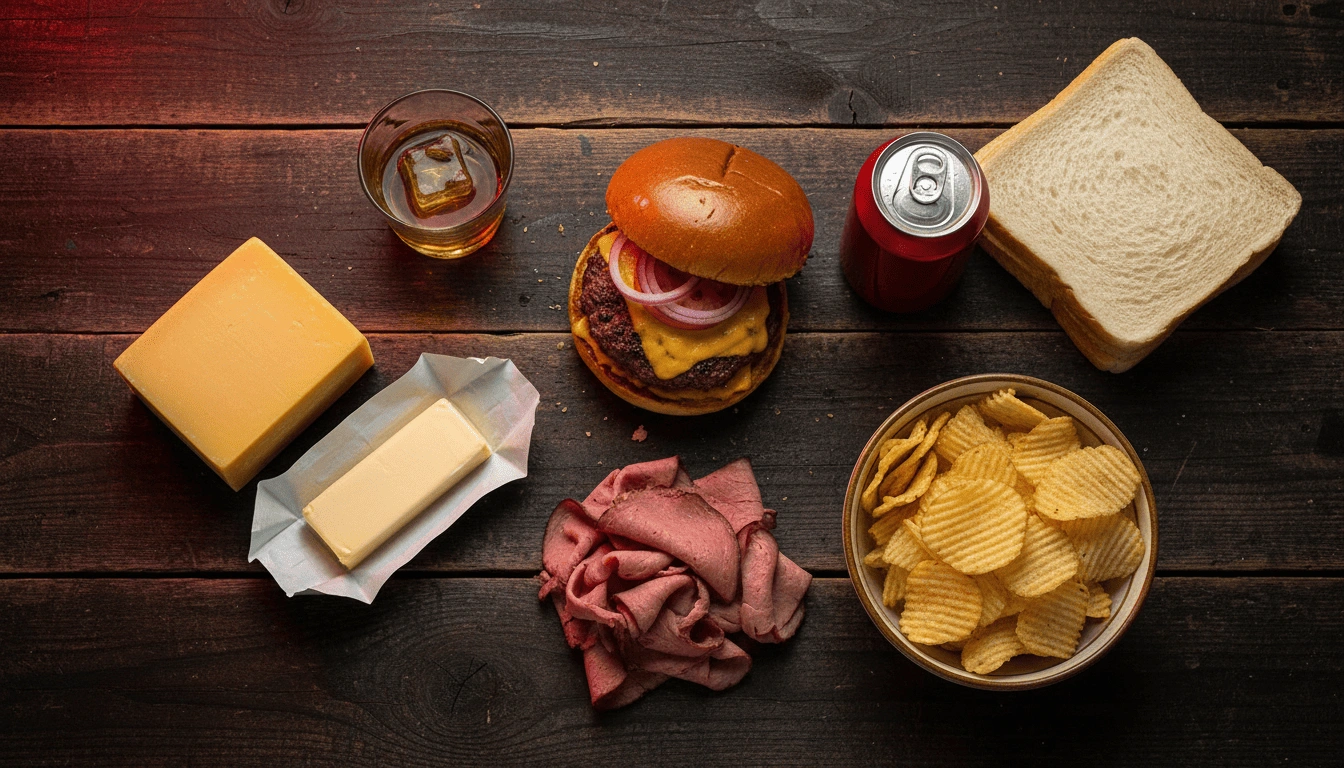
Multiple large epidemiological studies have found associations between high consumption of red meat and processed meats and less favorable prostate health outcomes. The proposed mechanisms include:
- Saturated fat content: Promotes systemic inflammation, which is a key driver of BPH progression.
- Heterocyclic amines (HCAs): Carcinogenic compounds formed when meat is cooked at high temperatures (charring, grilling over direct flame) have been studied for their effects on prostate tissue.
- Heme iron: Present in red meat, heme iron may promote oxidative stress in prostate tissue over time.
- Hormonal additives: Some processed meats contain additives that may interact with hormonal pathways relevant to prostate cell growth.
A practical target: limit red meat to two to three servings per week. When you do eat red meat, choose leaner cuts, avoid charring, and prioritize unprocessed options (a plain beef steak over processed sausage). Replacing some red meat meals with fatty fish, legumes, or plant-based proteins delivers a double benefit — less of the potentially harmful and more of the protective.
Dairy Products
The relationship between dairy and prostate health is nuanced and still actively studied. Several large cohort studies have found associations between high dairy consumption and less favorable prostate health markers. The most cited potential mechanism involves insulin-like growth factor-1 (IGF-1), a growth hormone that dairy proteins may stimulate. Elevated IGF-1 has been associated with increased prostate cell proliferation in laboratory research.
That said, not all dairy appears equal. Fermented dairy products — yogurt, kefir, aged cheese — appear to have a more neutral or potentially beneficial profile, likely due to their probiotic content and reduced IGF-1 stimulation. If you consume dairy regularly, gravitating toward low-fat fermented options is a sensible approach.
As always, individual variation matters. Some men notice no effect from dairy on their urinary symptoms; others find that reducing dairy intake produces noticeable improvement within a few weeks.
Caffeine
Caffeine is one of the most well-documented bladder irritants. It acts on the bladder directly, increasing the urgency and frequency of urination independently of its diuretic effect (which also increases urine production). For men with BPH-related bladder sensitivity, caffeine can significantly amplify urgency, frequency, and even nocturia.
The sources to be mindful of include:
- Coffee (including cold brew and espresso, which can be very high in caffeine)
- Black tea and green tea (green tea has documented prostate health benefits, but still contains caffeine)
- Energy drinks and pre-workout supplements
- Some sodas
- Dark chocolate (contains modest caffeine amounts)
Eliminating caffeine entirely is neither necessary nor realistic for most men. A practical strategy: limit caffeine consumption to before 1:00 PM and replace afternoon coffee with herbal tea (chamomile, rooibos, or peppermint are excellent options). Many men find that this simple timing adjustment significantly reduces afternoon and evening urgency within one to two weeks.
Alcohol
Alcohol presents a dual problem for prostate health. First, it suppresses antidiuretic hormone (vasopressin), causing the kidneys to produce more urine even when the body does not need to eliminate excess water. This mechanism explains why drinking alcohol in the evening — even in modest amounts — can dramatically worsen nocturia.
Second, alcohol acts as a direct bladder irritant, lowering the threshold for urgency. Men with already-sensitive bladders from BPH often find that even one or two drinks significantly worsen their urinary symptoms for several hours afterward.
Alcohol also contributes to systemic inflammation and, when consumed in excess, to weight gain — both of which are risk factors for BPH progression. If you enjoy alcohol, moderating consumption (no more than one drink per day for men over 65, no more than two for younger men) and avoiding drinking within three hours of bedtime are the most impactful adjustments.
Refined Carbohydrates and Sugar
Diets high in refined carbohydrates — white bread, white rice, pastries, sugary beverages, processed breakfast cereals — drive rapid spikes in blood glucose and insulin. Chronically elevated insulin promotes insulin resistance and, in turn, systemic inflammation. Chronic low-grade inflammation is now recognized as one of the primary biological drivers of BPH progression over time.
Additionally, high-glycemic diets contribute to weight gain and metabolic dysfunction — conditions that worsen the hormonal environment (elevated estrogen relative to testosterone) that accelerates prostate enlargement. Replacing refined carbohydrates with whole grain alternatives — oats, brown rice, quinoa, whole wheat bread — is one of the highest-impact dietary changes available to men managing prostate health.
Spicy Foods
Spicy foods do not directly cause prostate enlargement, and there is no evidence that capsaicin (the active compound in chili peppers) harms the prostate. However, for men with an overactive or irritable bladder — a common consequence of BPH — spicy foods are a well-recognized bladder irritant.
Many men with BPH notice that highly spiced meals worsen urgency and discomfort, particularly in the hours following dinner. If you observe this pattern, moderating spice intensity at the evening meal is worth a trial. Some men find that spicy food at lunch causes few problems while the same meal at dinner creates significant nighttime symptoms.
High-Sodium Foods
Excess sodium promotes fluid retention during the day. When you lie down at night, fluid that has pooled in the lower extremities redistributes into the bloodstream, increasing the volume of urine the kidneys need to process — often resulting in more nighttime bathroom trips. This mechanism (nocturnal polyuria from daytime fluid retention) is a significant and underappreciated contributor to nocturia in older men.
The primary culprits for high sodium intake are processed foods, canned soups and vegetables, deli meats, restaurant meals (including fast food), and condiments. Reducing daily sodium intake to below 2,300 mg benefits both urinary health and cardiovascular health simultaneously. Reading nutrition labels and choosing lower-sodium alternatives is an effective starting strategy.
Practical Moderation Tips
Rather than trying to overhaul your entire diet at once, consider these incremental adjustments:
- Apply the 80/20 rule: Focus on eating prostate-supportive foods 80% of the time. Allow flexibility for the remaining 20% without guilt — stress is itself an inflammatory trigger.
- Time your caffeine: Keep all caffeine before 1:00 PM. Switch to herbal tea in the afternoon and evening.
- Move alcohol to lunch: If you enjoy a drink, having it earlier in the day reduces its impact on nighttime urination.
- Keep a symptom journal: Track what you eat and drink alongside your urinary symptoms for one to two weeks. Patterns often emerge quickly and can identify your personal triggers.
- Cook more at home: Restaurant and takeout meals are often high in sodium, refined oils, and large portion sizes. Cooking at home gives you control over ingredients.
- Complement with supplementation: Even an optimized diet benefits from targeted botanical support. Protaflo's formula provides Saw Palmetto, Pygeum, Beta-Sitosterol, Lycopene, Zinc, and prostate-specific probiotics — all the key ingredients that support prostate health from the inside out.
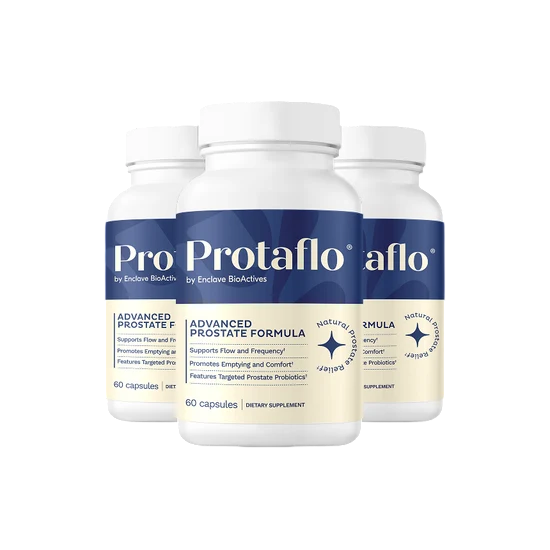
Complement Your Prostate-Healthy Diet with Protaflo®
While you work on optimizing your food choices, Protaflo delivers daily botanical support for healthy urinary flow, prostate comfort, and overall male wellness.
Try Protaflo — Limited Time Offer*These statements have not been evaluated by the FDA. Not intended to diagnose, treat, cure, or prevent any disease.