Table of Contents
- What Is Prostate Enlargement?
- Sign 1: Weak or Slow Urinary Stream
- Sign 2: Frequent Urination
- Sign 3: Nocturia (Waking to Urinate at Night)
- Sign 4: Urgency and Urgency Incontinence
- Sign 5: Incomplete Bladder Emptying
- Sign 6: Straining to Urinate
- Sign 7: Post-Void Dribbling
- When to See a Doctor
- Supporting Prostate Health Naturally
- Frequently Asked Questions
Most men do not give much thought to their prostate until something changes. For many, the first indication that something is different arrives gradually -- a slightly slower stream here, an extra nighttime bathroom trip there. Over time, what started as a minor inconvenience can grow into a daily challenge that affects sleep, confidence, and quality of life.
Prostate enlargement is remarkably common. Yet because the symptoms tend to develop slowly and often mimic normal aging, they go unnoticed or dismissed for years. The earlier you recognize what is happening, the sooner you can take steps to support your urinary health.
Here are the seven most common signs that your prostate may be enlarging, along with what each one means and what you can do about it.
What Is Prostate Enlargement?
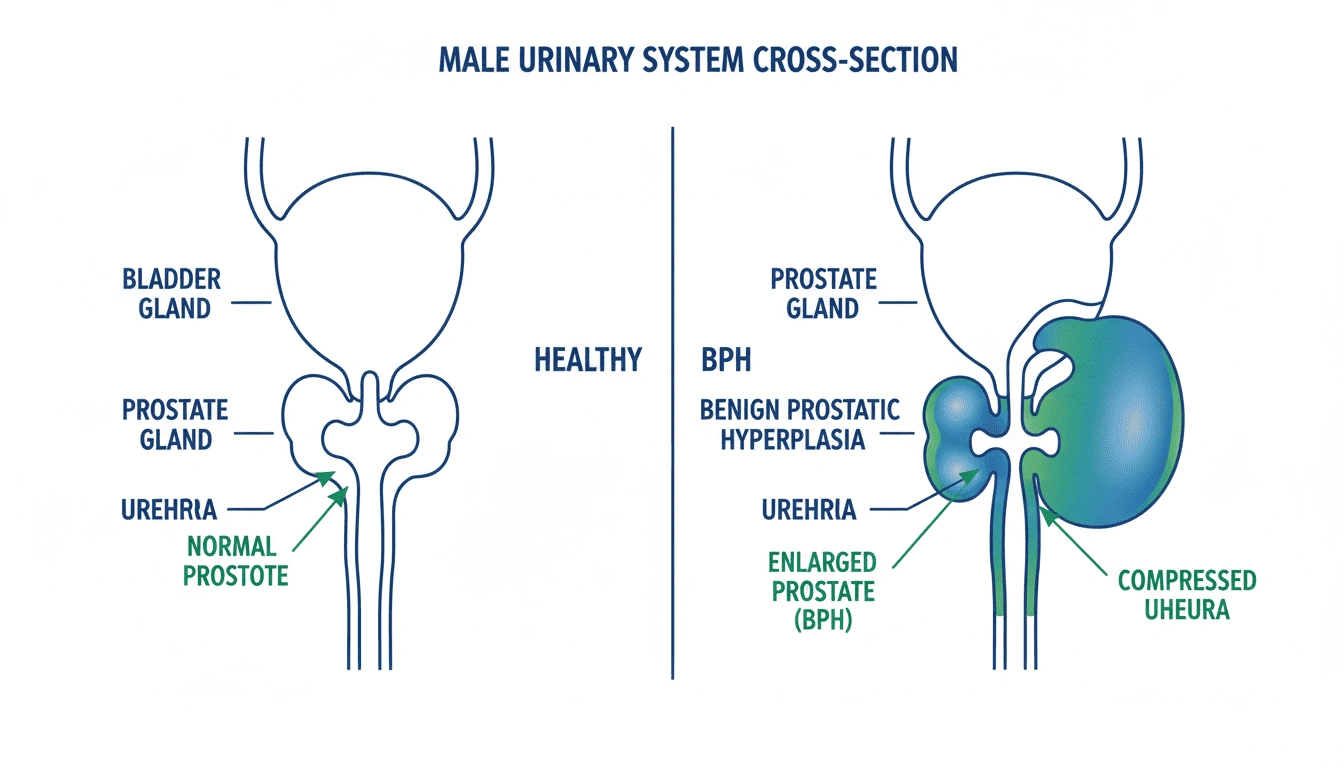
The prostate is a walnut-sized gland located just below the bladder. It surrounds the urethra -- the tube through which urine flows out of the body. As men age, the prostate tends to grow. When this growth is noncancerous and causes urinary symptoms, it is medically referred to as benign prostatic hyperplasia, or BPH.
BPH is not prostate cancer and does not increase your risk of developing it. However, an enlarged prostate can squeeze or partially block the urethra, making urination difficult and triggering a cascade of symptoms that affect daily life.
By age 50, an estimated 50% of men have some degree of BPH. By age 80, the figure rises to approximately 90%. The condition itself is extremely common -- but the symptoms are not inevitable, and a number of lifestyle and supplement strategies may help manage them.
Sign 1: Weak or Slow Urinary Stream
One of the earliest and most telling signs of prostate enlargement is a noticeable reduction in the force of your urinary stream. Where urine once flowed strongly, it now dribbles or trickles. You may notice that it takes longer to empty your bladder than it once did.
This occurs because the growing prostate narrows the urethra, creating a bottleneck that restricts urine flow. A weak stream does not necessarily mean you need medical intervention, but it is a signal worth paying attention to, particularly if it is getting progressively worse over time.
Sign 2: Frequent Urination
Needing to urinate eight or more times in a 24-hour period is generally considered frequent. If you find yourself heading to the bathroom far more often than you used to -- particularly without drinking more fluids -- prostate enlargement may be a contributing factor.
The bladder compensates for the partial obstruction caused by an enlarged prostate by developing a greater urgency to expel urine even when it is not completely full. Over time, the bladder muscle can thicken and become hypersensitive, amplifying the sensation of needing to go.
Sign 3: Nocturia -- Waking to Urinate at Night
Nocturia, or waking from sleep to urinate, is one of the symptoms men find most disruptive. While waking once per night is generally not a concern, getting up two, three, or four times a night significantly impacts sleep quality and daytime energy levels.
Poor sleep from nocturia creates a ripple effect -- fatigue, reduced concentration, and diminished mood can all result from chronically interrupted sleep. If you find yourself exhausted during the day and unable to connect the dots, consider whether nocturia could be the culprit.
Research published in urology journals consistently identifies nocturia as one of the most quality-of-life-affecting symptoms associated with BPH, affecting millions of American men.
Sign 4: Urgency and Urgency Incontinence
A sudden, intense urge to urinate that is difficult to postpone -- even when your bladder is not particularly full -- is known as urinary urgency. In more severe cases, this urgency may result in an involuntary loss of urine before you can reach a bathroom, a condition known as urgency incontinence.
This symptom can be particularly distressing because it is unpredictable. Men experiencing urgency may begin avoiding social situations, long meetings, or travel, which can take a significant toll on independence and mental well-being.
Sign 5: Incomplete Bladder Emptying
Even after urinating, men with prostate enlargement often feel as though their bladder is not completely empty. This sensation of retained urine -- called post-void residual urine -- occurs because the obstruction prevents the bladder from fully expelling its contents.
Beyond being uncomfortable, a high post-void residual volume can increase the risk of urinary tract infections and, in severe cases, bladder damage. If you consistently feel like you need to go again shortly after urinating, this pattern deserves attention.
Sign 6: Straining to Urinate
Straining or needing to push to initiate urination is another hallmark of prostate-related urinary difficulty. If you find yourself holding your breath, tightening your abdomen, or simply waiting for urine to start flowing, the urethra may be significantly narrowed by an enlarged prostate.
Straining can also delay the start of urination by many seconds, which many men find embarrassing in public restrooms. The medical term for this is hesitancy, and it is a very common complaint among men in their 50s and beyond.
Sign 7: Post-Void Dribbling
Post-void dribbling refers to a small, involuntary leak of urine that occurs after you have finished urinating and pulled away from the toilet. It happens because the urethra retains a small amount of urine that drains slowly due to the obstruction from the enlarged prostate.
While the volume of urine lost is often small, the experience is frustrating and can lead to discomfort, odor concerns, or the need to carry extra clothing. Like all the symptoms above, it often responds well to targeted support strategies.
When to See a Doctor
You should speak with a healthcare provider promptly if you experience any of the following:
- Complete inability to urinate (urinary retention) -- this is a medical emergency
- Blood in your urine or semen
- Pain or burning during urination
- Fever or chills combined with urinary symptoms (could indicate infection)
- Significant worsening of symptoms over a short period
Even without these warning signs, regular check-ups including a prostate-specific antigen (PSA) test are recommended for men over 50, or over 40 for those with a family history of prostate conditions.
Supporting Prostate Health Naturally
Many men successfully manage mild to moderate urinary symptoms through a combination of lifestyle adjustments and targeted supplementation. Evidence-backed strategies include:
- Regular physical activity: Aerobic and resistance exercise helps maintain a healthy weight, reduce inflammation, and support hormone balance -- all factors relevant to prostate health.
- A prostate-friendly diet: Foods rich in lycopene (tomatoes), zinc (pumpkin seeds), and antioxidants (berries, broccoli) provide the raw materials for prostate cell health.
- Limiting caffeine and alcohol: Both are bladder irritants and can worsen frequency and urgency.
- Avoiding fluids before bed: Reducing your fluid intake in the two hours before sleep can meaningfully reduce nocturia episodes.
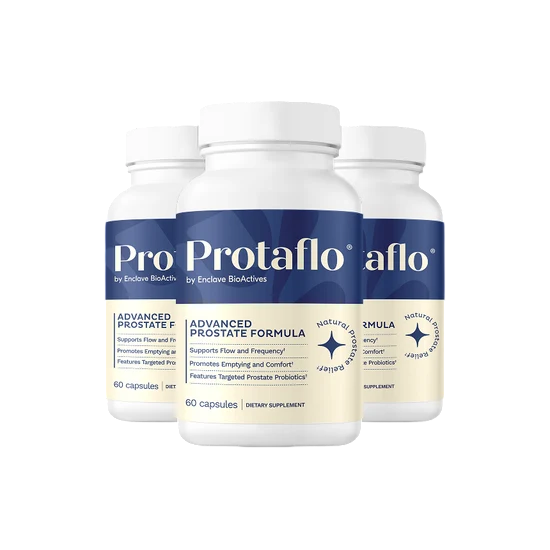
- Dietary supplements: Saw Palmetto, Pygeum Africanum, Beta-Sitosterol, and Nettle Root have been studied extensively for their role in supporting urinary flow and prostate comfort. Protaflo combines all of these ingredients in a single convenient formula.
Support Your Prostate Health with Protaflo
Protaflo combines Saw Palmetto, Pygeum, Beta-Sitosterol, and a targeted probiotic blend -- designed to support healthy urinary flow, prostate comfort, and daily male wellness.
Claim Your Discount Today*These statements have not been evaluated by the FDA. Not intended to diagnose, treat, cure, or prevent any disease.
Frequently Asked Questions
Related Articles

Why Do You Wake Up to Urinate at Night?